
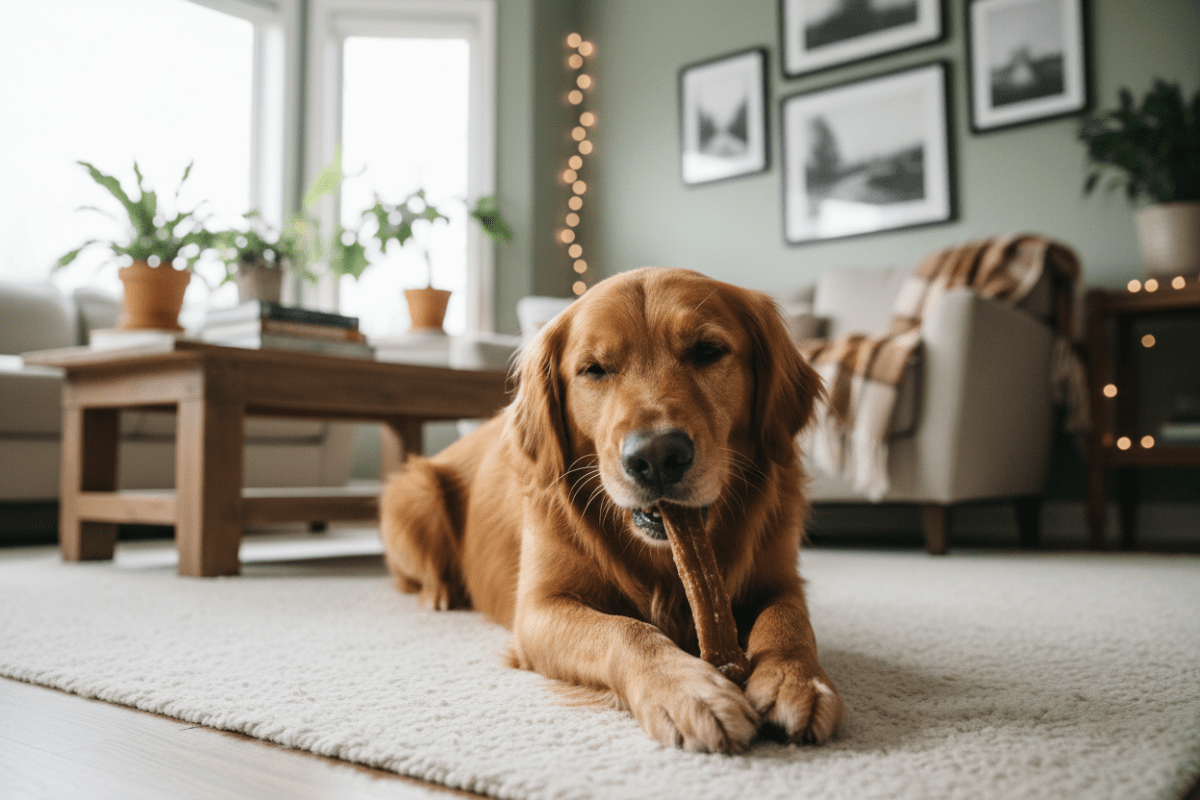
At ValuePetSupplies.com, we believe treats and chews should be both enjoyable and safe for your dog. Chewing is a natural behavior that supports dental health, mental stimulation, and overall well-being—but knowing how long your dog should chew is key to keeping treat time positive.
Chewing is one of the most natural and beneficial activities for dogs. From easing boredom to supporting dental health, the right chew can be both enjoyable and enriching. But many pet parents ask an important question: how long should dogs chew their treats to stay safe?
The answer depends on your dog’s size, chewing style, and the type of treat. Below, we’ll break down safe chew times, signs it’s time to take a treat away, and tips for choosing the best chews for your dog.
Why Chewing Time Matters
While chewing is healthy, chewing for too long or on the wrong type of treat can increase risks, including:
-
Broken or worn-down teeth
-
Choking hazards from small or softened pieces
-
Digestive upset if too much is consumed at once
-
Overconsumption of calories
Setting reasonable chew-time limits helps your dog enjoy their treat while keeping safety top of mind.
General Guidelines for Safe Chew Time
These are general recommendations, not strict rules. Always supervise your dog when they’re enjoying a chew.
🐶 Light or Moderate Chewers
-
10–20 minutes per chew session
-
Ideal for softer chews like collagen sticks, braided treats, or thinner bully sticks
🐕 Power Chewers
-
15–30 minutes maximum
-
Even tough chews should be monitored closely to prevent tooth damage or swallowing large chunks
🐾 Puppies & Senior Dogs
-
5–15 minutes depending on age and dental health
-
Choose softer, easier-to-chew options
If a chew becomes small enough to swallow whole, it’s time to remove it.
Signs It’s Time to Take the Chew Away
Regardless of time, stop the chewing session if you notice:
-
The chew has softened significantly
-
Small or sharp pieces are breaking off
-
Your dog is trying to swallow it whole
-
Excessive drooling, gagging, or frantic chewing
-
Gum bleeding or visible discomfort
Safety always outweighs finishing a treat.
Choosing the Right Chew for Your Dog
Not all chews are created equal. Matching the chew type to your dog’s needs makes a big difference.
🦴 Bully Sticks
-
Long-lasting and highly palatable
-
Best for short, supervised sessions
-
Remove when they get too small
🦷 Collagen Chews
-
Slightly softer than bully sticks
-
Support joint and skin health
-
Good option for moderate chewers
🐄 Cow & Lamb Ears
-
Lighter, crunchier chews
-
Better for gentle chewers or shorter chew times
-
Not ideal for aggressive chewers
🦷 Rawhide Chews
-
Choose high-quality, properly processed rawhide
-
Always supervise
-
Avoid for dogs that gulp treats
How Often Can Dogs Have Chews?
Most dogs can enjoy a chew a few times per week, depending on:
-
Treat size
-
Calorie content
-
Your dog’s diet and activity level
Chews should complement meals—not replace them.
Supervision Is Key
No matter the chew, never leave your dog unattended while chewing. Even well-loved, familiar treats can become unsafe without warning.
A good rule of thumb: if you wouldn’t trust your dog with it alone, it’s a supervised treat only.
Final Thoughts
At ValuePetSupplies.com, we know that every dog chews a little differently. By choosing the right type of chew, limiting chew time, and supervising each session, you can help your dog enjoy their favorite treats safely.
When in doubt, shorter chew sessions and close monitoring are always the safest choice. Your dog will still enjoy the benefits of chewing—without unnecessary risks.
Always consult your veterinarian if you have concerns about your dog’s chewing habits, dental health, or digestive issues.